The Science of Baking: What Makes Dough Rise and Cakes Fluffy
What makes dough rise and cakes fluffy
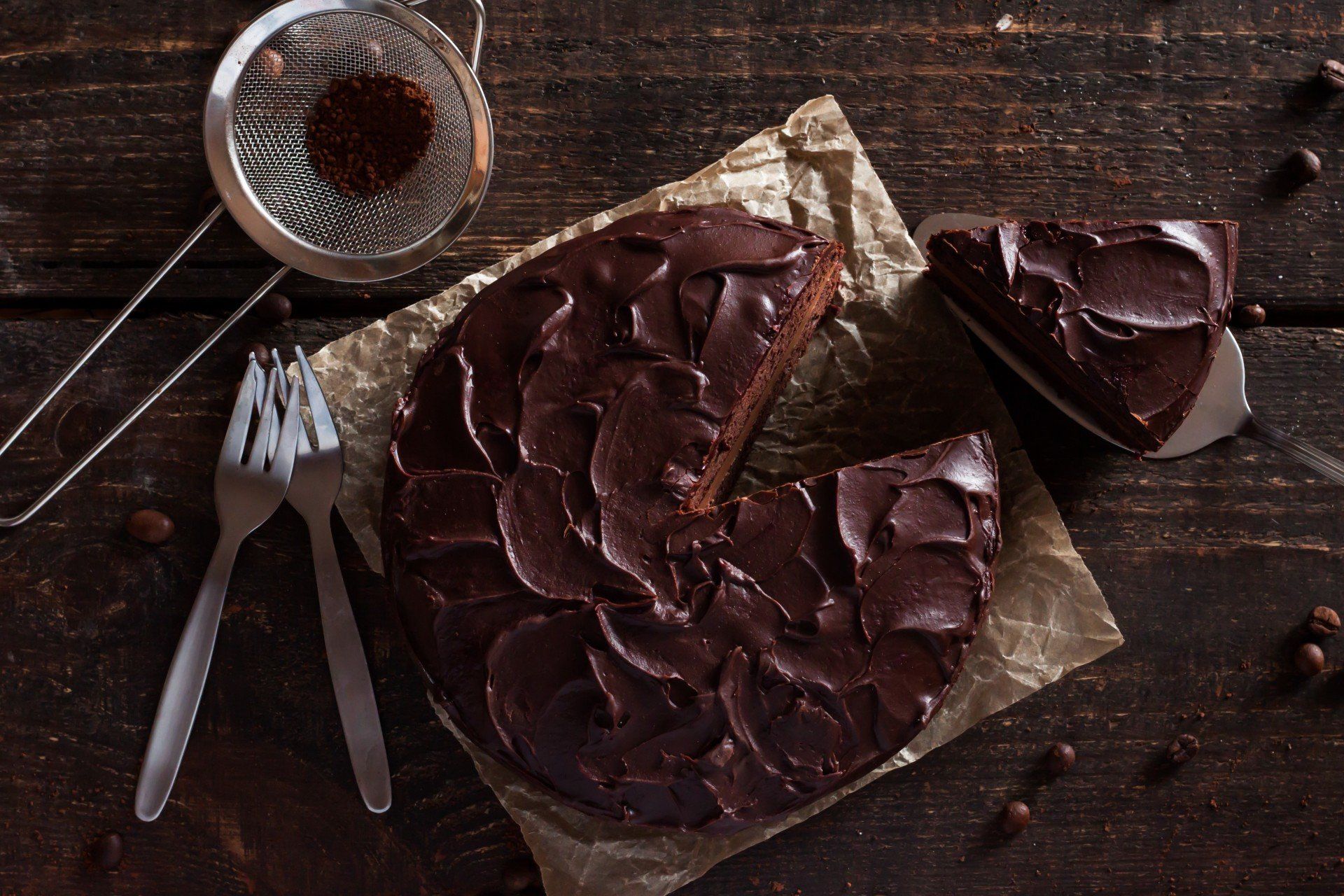
Baking is often considered an art, with its beautiful decorations and creative designs. But behind every perfectly risen loaf of bread and every light, fluffy cake lies the science of baking—a fascinating world where chemistry and physics work together to transform simple ingredients into delicious treats. In this blog post, we’ll dive into the science that makes dough rise and cakes fluffy, offering a glimpse into the magic that happens in our bakery’s ovens every day.
The Chemistry Behind Rising Dough
At the heart of any good bread, pastry, or doughnut is the process of fermentation, which involves yeast—a tiny, living organism that plays a crucial role in making dough rise.
Yeast Fermentation: The Key to Rising Dough
When yeast is added to dough, it feeds on the sugars present in the flour, breaking them down into carbon dioxide (CO2) and alcohol through a process called fermentation. The CO2 produced by the yeast gets trapped in the dough’s network of gluten, causing the dough to expand and rise. This is what gives bread its airy texture and lightness.
The Role of Gluten: Structure and Strength
Gluten is a protein found in wheat flour that forms a stretchy, elastic network when mixed with water. This network is crucial because it traps the CO2 bubbles produced by the yeast, allowing the dough to rise. The more you knead the dough, the stronger the gluten network becomes, which results in a chewier texture. That’s why kneading is an essential step in making bread dough—without a strong gluten structure, the dough wouldn’t be able to hold the gases and rise properly.
Temperature’s Impact: Controlling the Rise
Temperature plays a significant role in fermentation. Yeast is most active in warm environments, which is why dough rises faster in a warm kitchen. If the dough is too cold, the yeast activity slows down, leading to a longer rise time. On the other hand, too much heat can kill the yeast, preventing the dough from rising at all. Bakers often use temperature control to manage the fermentation process, ensuring the dough rises perfectly every time.
The Secret to Fluffy Cakes: The Power of Leavening Agents
While yeast is the star in bread-making, cakes rely on chemical leavening agents like baking powder and baking soda to achieve their soft, airy texture.
Baking Soda: The Acid-Base Reaction
Baking soda is a base (alkaline) that needs an acid to activate. When combined with an acidic ingredient like buttermilk, yogurt, or vinegar, baking soda reacts by producing CO2, which helps the cake rise. This reaction happens quickly, so cakes made with baking soda need to be baked immediately to capture the bubbles before they dissipate. The result is a cake with a tender, fluffy crumb.
Baking Powder: Double Action for Maximum Lift
Baking powder, on the other hand, contains both an acid and a base, meaning it doesn’t need an additional acidic ingredient to work. It typically has two stages of action: the first occurs when it’s mixed with liquid, and the second when it’s exposed to heat in the oven. This double-action leavening ensures a consistent rise, giving cakes their characteristic lightness and volume.
Creaming Butter and Sugar: Incorporating Air for Extra Fluffiness
Another critical step in cake-making is the creaming of butter and sugar. When butter and sugar are beaten together, air is incorporated into the mixture, creating tiny bubbles. These bubbles expand during baking, contributing to the cake’s rise and making it light and fluffy. This is why it’s essential to cream butter and sugar thoroughly—taking the time to do this properly sets the foundation for a beautifully fluffy cake.
The Role of Eggs: Structure and Moisture
Eggs play a dual role in baking—they provide structure and moisture. The proteins in eggs coagulate when heated, helping to set the structure of the cake or bread, ensuring it doesn’t collapse after rising. Additionally, eggs add moisture to the batter or dough, contributing to the tender texture of the final product.
Beaten Eggs: Incorporating More Air
In some recipes, eggs are beaten separately before being added to the batter. This step incorporates even more air, which helps create a lighter texture. This technique is often used in sponge cakes and other delicate bakes, where a soft, airy crumb is desired.
Understanding the Science, Elevating the Craft
Understanding the science of baking isn’t just fascinating—it’s also essential for perfecting the craft. At our bakery, we take pride in mastering these scientific principles to ensure that every loaf of bread rises just right, and every cake is as fluffy as a cloud. By carefully balancing ingredients, controlling temperatures, and utilizing the right techniques, we create baked goods that are as delightful to the palate as they are to the eyes.
Next time you bite into a slice of our freshly baked bread or enjoy a piece of our light and airy cake, you’ll know that it’s not just a result of skilled hands, but also the incredible science at work behind the scenes. We’re passionate about both the art and science of baking, and we’re thrilled to share that passion with you in every delicious bite.