Black History & the Flavor of America
Honoring the Hands That Fed a Nation
American food culture would not exist as we know it without the brilliance, resilience, and creativity of Black Americans. From Southern farmlands to urban kitchens, Black culinary traditions have shaped the nation’s palate, preserved heritage through recipes, and turned survival into art.
Food is memory. Food is resistance. Food is legacy. And Black history lives in every bite.
The Roots: West African Foundations in American Cuisine
Long before “Southern food” had a name, enslaved Africans brought with them deep agricultural knowledge and culinary traditions from West and Central Africa. Many foundational American ingredients and techniques trace directly back to them.
Key contributions include:
- Okra – A staple in gumbo and stews
- Black-eyed peas – Now a Southern New Year’s tradition
- Rice cultivation expertise – Especially in the Carolinas and Georgia
- Yams (sweet potatoes)
- Gumbo techniques and one-pot stews
Enslaved Africans were often the primary cooks in plantation kitchens. Though denied freedom, they infused dishes with African spices, cooking methods, and soul. What emerged was not simply “plantation food,” but the beginnings of what we now call Southern cuisine.
Soul Food: Survival Turned Celebration
Soul food is more than comfort food — it is cultural storytelling.
Born from limited ingredients and harsh conditions, dishes like:
- Fried chicken
- Collard greens
- Cornbread
- Smothered pork chops
- Macaroni and cheese
became symbols of resourcefulness and pride.
After emancipation, these meals traveled during the Great Migration, influencing food scenes in cities like Chicago, Detroit, and New York. Restaurants and home cooks preserved recipes that had been passed down orally for generations.
Soul food reminds us that even in oppression, Black communities created abundance.
Black Culinary Innovators Who Changed America
Black culinary excellence spans centuries. A few remarkable figures include:
- Edna Lewis – Preserved traditional Southern cooking and elevated it to fine dining.
- George Washington Carver – Revolutionized Southern agriculture and popularized creative uses for peanuts and sweet potatoes.
- Leah Chase – The “Queen of Creole Cuisine” who fed civil rights leaders at Dooky Chase’s in New Orleans.
- James Hemings – A classically trained French chef who introduced dishes like macaroni and cheese and crème brûlée to American tables.
Their influence stretches from home kitchens to the White House.
The Significance of Teacakes in the South
If soul food is celebration, teacakes are memory.
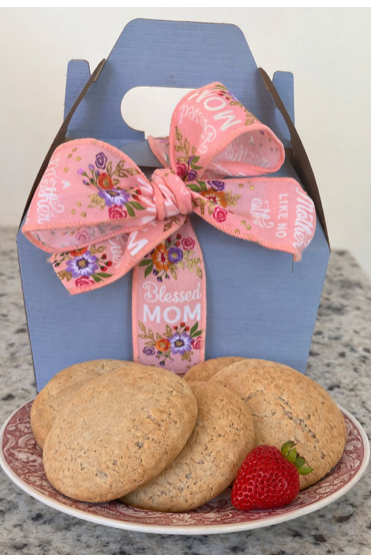
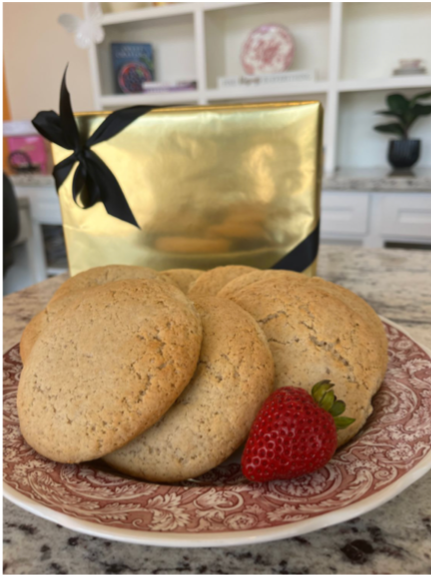
Southern teacakes are simple, soft cookies — lightly sweet, tender, and deeply nostalgic. They are not flashy. They are not frosted. They are humble and powerful.
Historically, teacakes were made with basic pantry staples:
- Flour
- Sugar
- Butter or lard
- Eggs
- Milk
For enslaved families and later sharecroppers, teacakes were a small luxury — something sweet that could be made from limited ingredients. They became symbols of care, often baked by grandmothers and shared after church, during holidays, or on quiet afternoons.
In many Black Southern households, teacakes represent:
- Love passed down through generations
- Oral tradition (“a pinch of this, a handful of that”)
- The warmth of a grandmother’s kitchen
- Celebration in simplicity
Teacakes are not just cookies. They are heirlooms.
Our Southern Teacake Recipe
Here’s a classic, old-fashioned style teacake recipe you can share and pass down:
Ingredients
- 4 cups all-purpose flour
- 2 cups sugar
- 1 cup (2 sticks) unsalted butter, softened
- 2 large eggs
- 1 tablespoon vanilla extract
- 2 teaspoons cinnamon
- 1/8 teaspoon nutmeg
- 2 teaspoon baking powder
- 1 teaspoon baking soda
- ½ teaspoon salt
- 1/2 teaspoon buttermilk
Instructions
- Preheat oven to 350°F. Line baking sheets with parchment paper.
- Cream butter and sugar until light and fluffy.
- Add eggs one at a time, mixing well. Stir in vanilla.
- In a separate bowl, whisk flour, baking soda, and salt.
- Gradually combine dry ingredients with wet mixture.
- Add milk and mix until a soft dough forms.
- Roll dough out on a floured surface (about ¼-inch thick).
- Cut into circles or desired shapes.
- Bake 8–10 minutes, until edges are lightly golden.
- Let cool — and enjoy with coffee, tea, or sweet memories.
Tip: For a deeper Southern flavor, add a pinch of nutmeg or lemon zest.
Why This History Matters
Black food history is American history.
From rice fields to restaurant empires, from cast-iron skillets to white tablecloth dining, Black culinary contributions built the backbone of American cuisine.
Recognizing this history:
- Honors ancestors
- Preserves cultural identity
- Corrects erased narratives
- Celebrates innovation born from resilience
Every time we cook collard greens, bake cornbread, or share teacakes with family, we participate in a story centuries in the making.
Food feeds the body.
History feeds the soul.
And in the South — sometimes, it starts with a teacake.