The Rich History of Baking
From Ancient Grains to Modern Treats
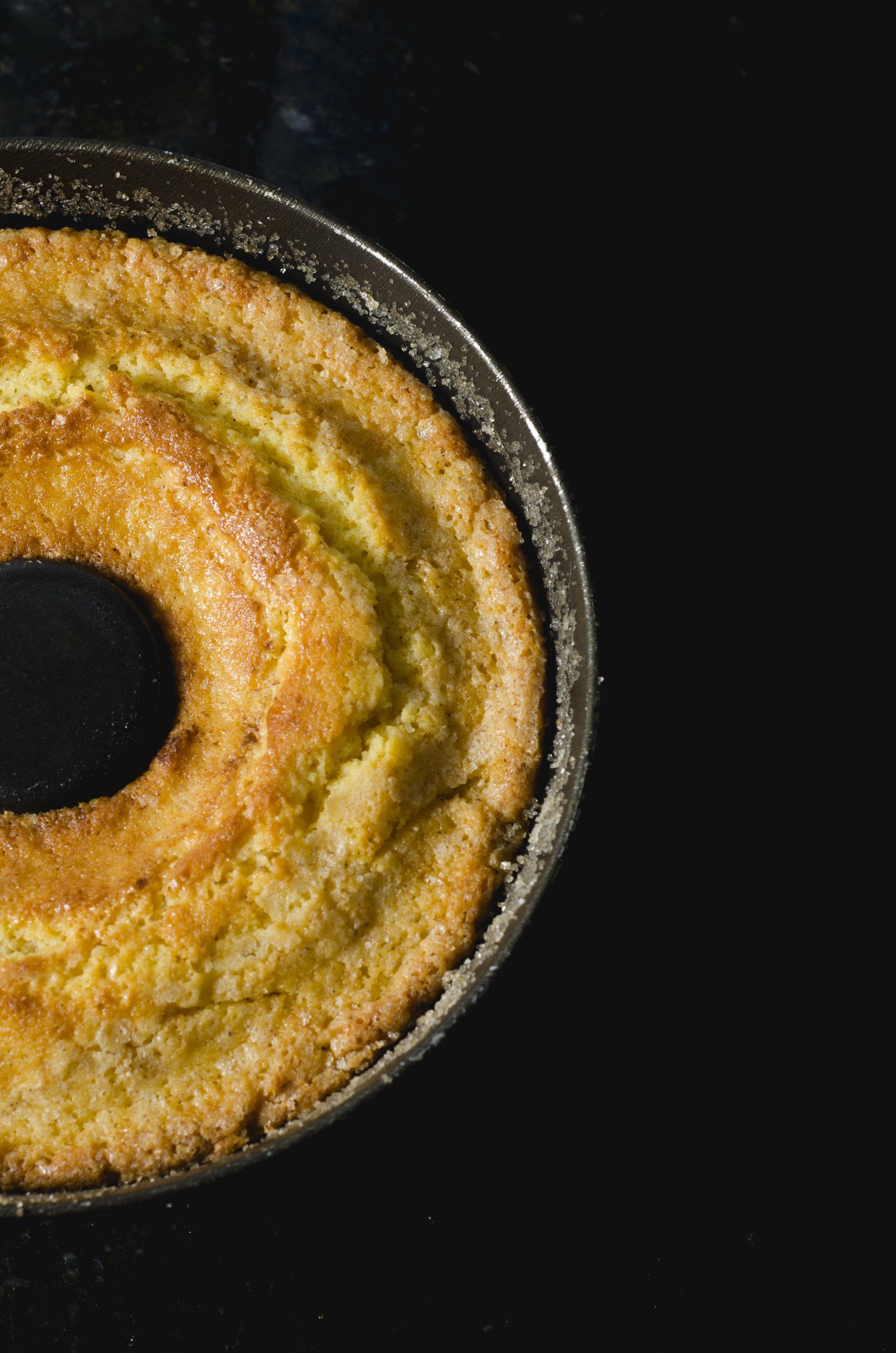
Baking, a method of cooking that has captivated human civilization for millennia, is as much about cultural heritage and innovation as it is about creating delicious food. The journey of baking stretches back to ancient times and traverses various continents, reflecting the evolution of societies, economies, and technologies.
Ancient Beginnings: The Dawn of Baking
The history of baking begins with the advent of agriculture. Around 10,000 BCE, in the Fertile Crescent of the Middle East, early humans began cultivating grains like wheat and barley. These grains were ground into coarse flour and mixed with water to form a rudimentary dough. Initially, this dough was likely cooked on hot stones or in the ashes of a fire, creating the first flatbreads. Archaeological evidence from this era shows that these early breads were unleavened, much like modern-day pita or naan.
By around 2600 BCE, the Egyptians had discovered the process of fermentation, likely by accident. They found that dough left out would naturally ferment and rise, thanks to wild yeasts in the environment. This process created the first leavened bread, which was not only more palatable but also easier to digest. Egyptians are often credited with building the first enclosed ovens and perfecting the art of baking, laying the groundwork for future innovations.
Classical Antiquity: Baking as a Craft
As civilizations advanced, so did baking techniques. The ancient Greeks and Romans inherited and refined Egyptian baking methods. In Greece, bread became a staple food, and bakers were respected members of society. The Greeks introduced a variety of bread types, including honey-sweetened cakes and savory pastries filled with cheese or meat.
The Romans further elevated baking into an art form. By 168 BCE, Rome had its own Bakers' Guild, known as the "Collegium Pistorum," signifying the importance of the profession. Roman bakers experimented with different grains, creating loaves of varying textures and flavors. They also invented more sophisticated ovens, which allowed for greater control over the baking process. Roman soldiers were provided with bread rations, showcasing its essential role in daily life and military logistics.
Medieval Europe: The Rise of Bakeries
With the fall of the Roman Empire, much of Europe’s sophisticated baking knowledge was preserved by monasteries. Monks baked bread not only for sustenance but also as a form of charity. During the medieval period, bread remained a fundamental part of the diet, and local bakeries began to emerge in towns and cities.
These bakeries were regulated by guilds that set standards for quality and price. In England, laws were enacted to prevent bakers from cheating customers with underweight loaves, leading to the phrase "baker's dozen," where bakers would add an extra loaf to every dozen to avoid punishment. This period also saw the introduction of more diverse baked goods, including sweetened cakes and pastries, thanks to the increasing availability of sugar and spices from trade routes.
The Renaissance and Beyond: Technological and Culinary Innovations
The Renaissance brought a renewed interest in the arts and sciences, including culinary arts. Improved milling techniques produced finer flours, which in turn led to lighter, more refined baked goods. The invention of the printing press allowed for the widespread dissemination of recipes and baking techniques, further democratizing the craft.
In the 18th and 19th centuries, baking saw significant technological advancements. The development of more efficient ovens, including the cast iron oven, allowed for better temperature control and consistency. Chemical leavening agents, such as baking soda and baking powder, revolutionized home baking by making it easier to achieve fluffy cakes and biscuits.
Modern Baking: A Blend of Tradition and Innovation
Today, baking is both a cherished tradition and a field of constant innovation. Modern bakers draw on centuries of knowledge while embracing new technologies and ingredients. Artisan bread making has seen a resurgence, with a focus on traditional methods like sourdough fermentation. At the same time, molecular gastronomy has introduced avant-garde techniques and unexpected flavor combinations to the baking world.
The global nature of contemporary cuisine has also enriched baking, with bakers incorporating ingredients and methods from diverse cultures. From French croissants to Japanese mochi, the world of baking is more varied and exciting than ever before.
Conclusion: A Timeless Craft
The history of baking is a testament to human ingenuity and the enduring appeal of creating something delicious from simple ingredients. From ancient flatbreads to modern-day patisseries, baking has evolved and adapted, reflecting broader changes in society and technology. As we continue to bake, we are not just making food; we are participating in a rich, shared heritage that spans continents and millennia.